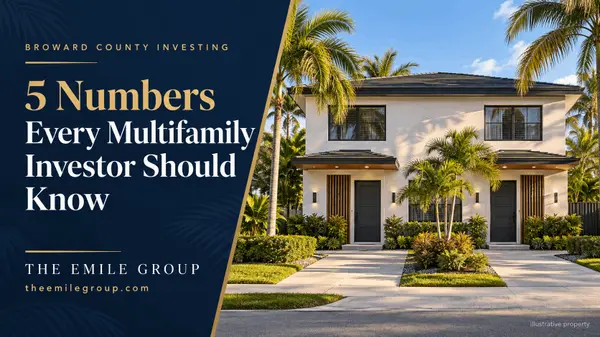
A vacant parcel can hold significant potential—but understanding what can actually be built is what turns an interesting property into a realistic opportunity.
The land entitlement process involves obtaining the land-use and development approvals needed for a proposed project. For landowners, investors, and builders in Broward County, it is about evaluating possibilities, identifying restrictions, and deciding whether a development makes financial sense.
Whether you are considering an infill lot, a multifamily development, or selling land to a builder, understanding this process can help you make better-informed decisions.
What Is Land Entitlement?
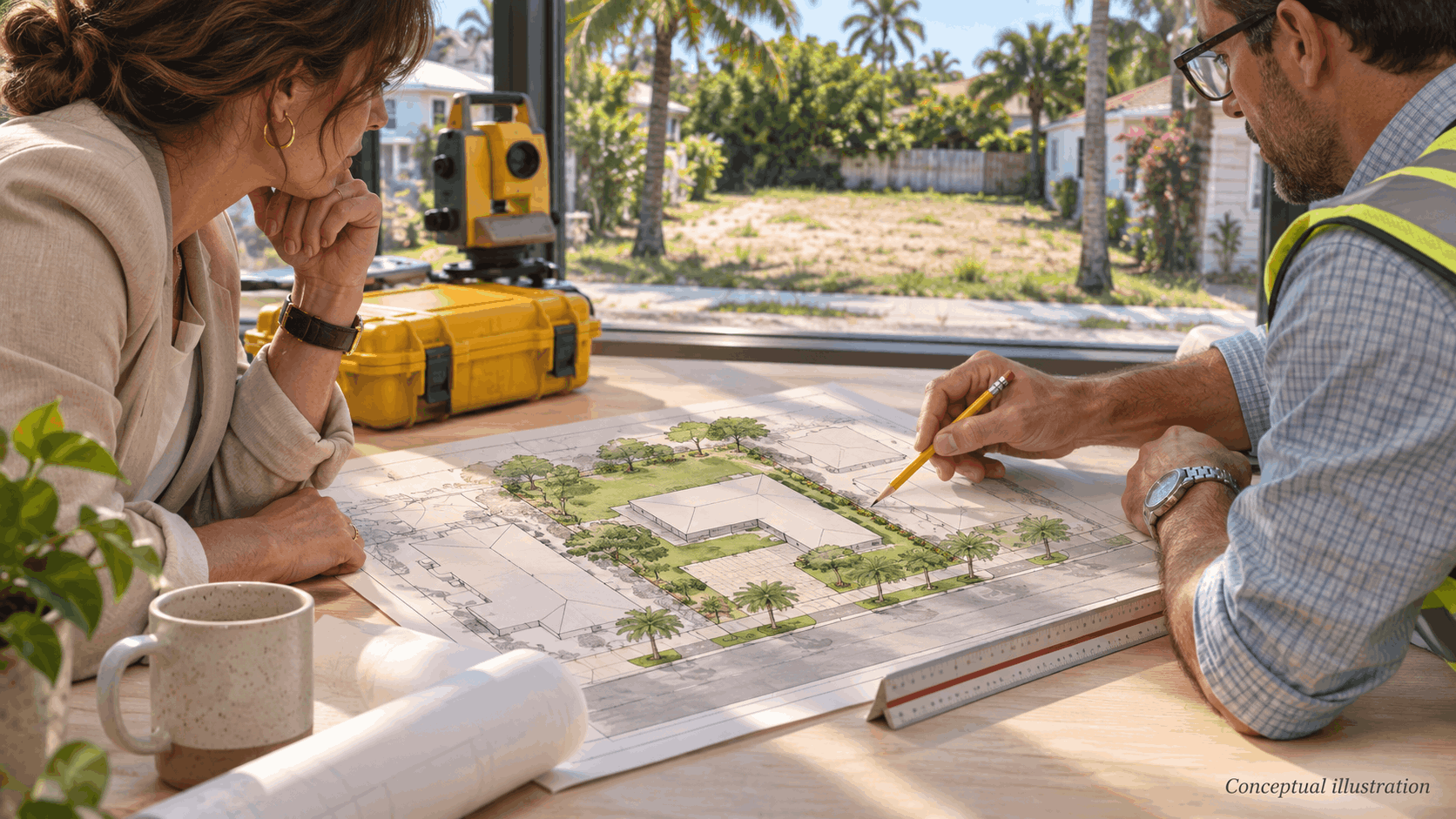
Land entitlement is the process of securing the governmental approvals necessary for a particular use or development. Depending on the property, this may involve zoning approvals, a land-use amendment, site-plan approval, platting, or other reviews.
Not every project requires every approval. A proposal that fits existing regulations may follow a different path from one requiring rezoning or changes to the permitted density.
Entitled land is not necessarily construction-ready. Building permits, engineering approvals, utility connections, and other requirements may still remain.
Start Due Diligence Before Buying Land
The work should begin before closing—not after you own the property.
A negotiated inspection or feasibility period gives buyers an opportunity to investigate the site, estimate costs, and determine whether to proceed, renegotiate, or walk away.
Important questions include:
- What uses are currently permitted?
- What density, height, setbacks, and parking requirements apply?
- Does the parcel have legal access?
- Are water, sewer, and other utilities available with sufficient capacity?
- Are there easements, environmental concerns, or drainage limitations?
- What approvals and infrastructure improvements could be required?
- Do projected revenues justify the total development cost?
A low purchase price does not automatically make land a good investment. Approval costs, construction expenses, financing, and holding time can materially change the economics.
Explore real estate opportunities with The Emile Group.
Surveys, Soils, and Site Conditions Matter
A survey helps identify property boundaries, easements, and existing improvements. Depending on its scope, it may also document elevations and other physical conditions relevant to development.
Geotechnical investigations examine subsurface conditions that can affect foundation design, site preparation, and construction costs.
Other investigations may include environmental assessments, flood-risk review, drainage analysis, utility research, and traffic or access studies.
These are not simply boxes to check. An access restriction, unsuitable soil condition, or expensive utility extension can change what is practical—or whether the project should move forward at all.
Build the Right Development Team
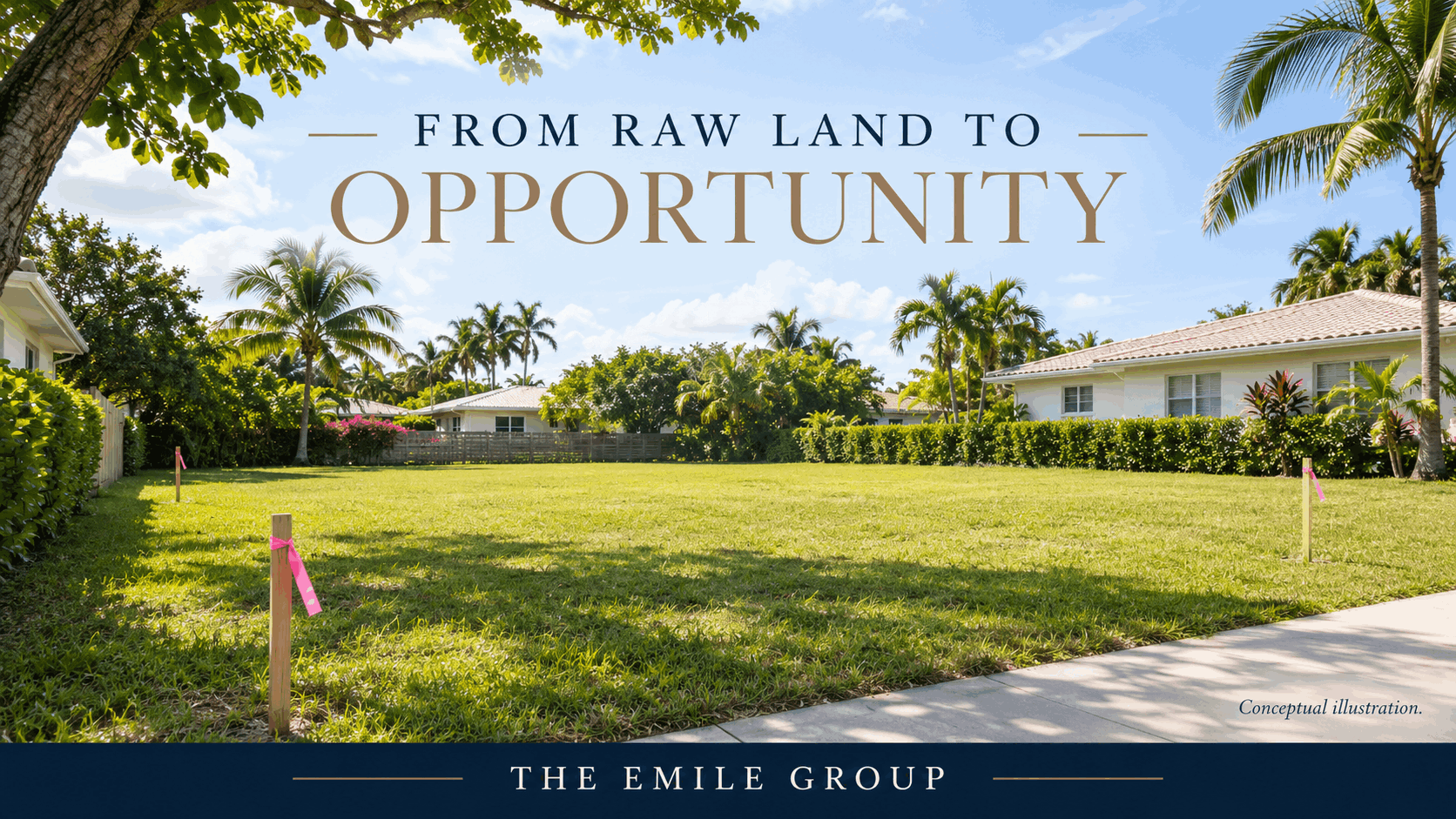
Successful development typically requires coordination among several professionals.
Architect
An architect helps translate a concept into a workable design, considering building layout, function, applicable codes, and compatibility with the site and surrounding area.
Civil Engineer
A civil engineer typically addresses grading, drainage, utilities, access, and site infrastructure. Traffic, environmental, structural, and other specialists may also be needed.
Land-Use Attorney or Planning Consultant
Projects involving discretionary approvals, rezoning, or complex restrictions may benefit from a land-use attorney or planning consultant who can help evaluate the approval path and coordinate submissions.
General Contractor
Early contractor input can improve preliminary budgeting and identify design choices that may be expensive or difficult to build. An attractive concept still needs to work in construction terms.
Real Estate and Market Advisor
Market analysis helps connect the development concept with buyer demand, rental potential, comparable sales, and realistic exit strategies.
The goal is not simply to obtain approvals. It is to pursue a project that works legally, physically, and financially.
Understanding Approvals in Broward County
For a Broward County property, municipal zoning and county land-use or platting requirements may both matter.
Zoning and land-use designations are related, but they are not interchangeable. A parcel’s zoning may address permitted uses, setbacks, height, parking, and other development standards, while the applicable land-use plan provides another layer of review.
The Broward County Planning Council reviews plats and development proposals for consistency with the applicable land-use designation. Owners and buyers should confirm the requirements for their specific parcel with the municipality and relevant county agencies.
Visit the Broward County Planning Council’s planning and platting resources for additional background.
A proposal in Pompano Beach, Hollywood, or Fort Lauderdale should be evaluated under the requirements that apply to that particular location. Approval paths should never be assumed based solely on a nearby development.
How Entitlements Can Add Value
Raw land often carries uncertainty:
What can be built? How many units are possible? What improvements will be required? Will the proposed use receive approval?
Resolving those questions can make a property more attractive to builders and investors. Documented approvals, studies, and plans may reduce the work a future buyer needs to undertake.
However, entitlements do not guarantee a higher sale price or a profitable project.
Potential value must be weighed against:
- Acquisition and financing costs
- Consultant and application fees
- Infrastructure and construction expenses
- Taxes, insurance, and other holding costs
- Approval conditions and expiration dates
- Market demand and achievable sale prices or rents
Before purchasing an entitled property, verify exactly what has been approved, what remains outstanding, and whether the approvals remain valid and can benefit the new owner.
Why Infill Land Deserves Attention
Infill land consists of vacant or underused parcels within already developed areas.
These properties may be near existing roads, utilities, employment, shopping, and established neighborhoods. That can create opportunities for housing or other development without starting in an entirely undeveloped location.
But nearby infrastructure does not guarantee that a parcel has adequate utility capacity, suitable access, or an inexpensive path to construction.
Small lots, parking requirements, setbacks, drainage, and neighborhood compatibility can all affect feasibility.
For Broward landowners and investors, the opportunity lies in understanding the parcel’s specific strengths and constraints—not assuming every vacant lot is readily buildable.
What Is Highest and Best Use?
Highest and best use is the use that is:
- Legally permissible
- Physically possible
- Financially feasible
- Maximally productive
The largest building that might fit on a parcel is not necessarily its best use.
A multifamily concept may appear attractive, but parking, infrastructure costs, financing, or achievable rents could make a smaller project more practical. In other situations, assembling neighboring parcels may create options that do not exist for a single lot.
Determining the best direction requires realistic market analysis and professional review—not just an optimistic development concept.
Questions to Ask Before Moving Forward
Before buying, selling, or pursuing approvals, establish answers to these questions:
What is permitted today?
Separate existing development rights from approvals you hope to obtain.
What remains uncertain?
Identify unresolved site, title, environmental, infrastructure, and approval issues.
What will the complete project cost?
Include professional fees, financing, holding costs, contingencies, and required improvements—not just land and construction.
What is the exit strategy?
Will you sell the parcel with approvals, build and sell, or develop and hold for rental income?
What happens if approvals take longer or costs increase?
A sound feasibility review should consider less favorable outcomes as well as the expected case.
Frequently Asked Questions
How long does land entitlement take?
There is no single timeline. The duration depends on the municipality, proposal, completeness of submissions, required studies, public hearings, and whether zoning or land-use changes are needed. Obtain a project-specific assessment before relying on a closing or construction schedule.
Does zoning approval mean I can start building?
Not necessarily. Additional reviews, permits, approval conditions, and infrastructure requirements may need to be addressed before construction can begin.
Can I sell land after obtaining approvals?
Potentially. Approvals may make a parcel more marketable, but buyers will still evaluate their validity, conditions, remaining costs, and suitability for the buyer’s project.
Should I obtain approvals before listing my land?
It depends on the property, likely buyers, cost of approvals, and your timeline. Some owners benefit from completing preliminary feasibility work; others may prefer selling without taking on the cost and risk of a full entitlement process.
Explore Your Property’s Potential
Land entitlement is the bridge between a development idea and a project that can realistically move forward.
The Emile Group focuses on land, development, and investment opportunities across Broward County and South Florida. We help owners and investors evaluate acquisition, sale, and development strategies while keeping market demand and financial feasibility in view.
Own land or considering a purchase? Send us the property address or parcel number and tell us your goals.
Explore The Emile Group’s real estate services or email Raoul Emile to discuss your property.
Raoul Emile | The Emile Group
Realtor & Land Developer
(786) 553-4333
remile@theemilegroup.com
This article provides general educational information. Development potential, approval requirements, costs, and timelines are property-specific. Consult the appropriate planning, engineering, environmental, and legal professionals before committing to a project.